

Communities are asking more of every investment and every acre. Land once expected to serve a single purpose may now need to improve food equity, drive education, and create jobs at the same time. Urban agriculture can meet that challenge, but only when planned as more than a garden.
The most effective farms connect what happens in the soil with classrooms, careers, neighborhood organizations, and regional food systems – turning one site into enduring civic infrastructure that supports many different aspects of public life.
Think Beyond the Harvest
Food production may be the most visible role of an urban farm, but it can also be the starting point for much more.
A production site may double as an outdoor classroom, a workforce training environment, a gathering place, or a sustainability center. It can introduce young people to diverse job opportunities, give volunteers new ways to contribute, and provide room for residents to share knowledge already rooted in the neighborhood.
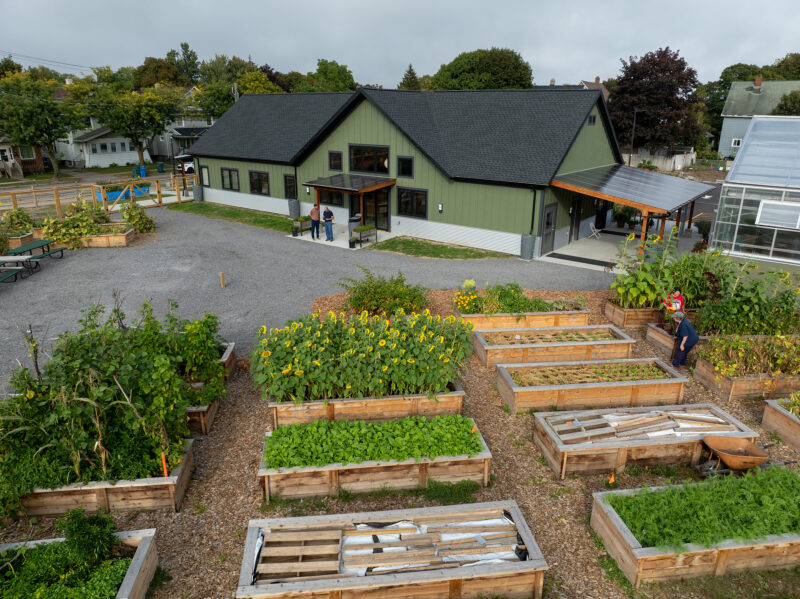
Foodlink’s Community Farm embodies this philosophy.
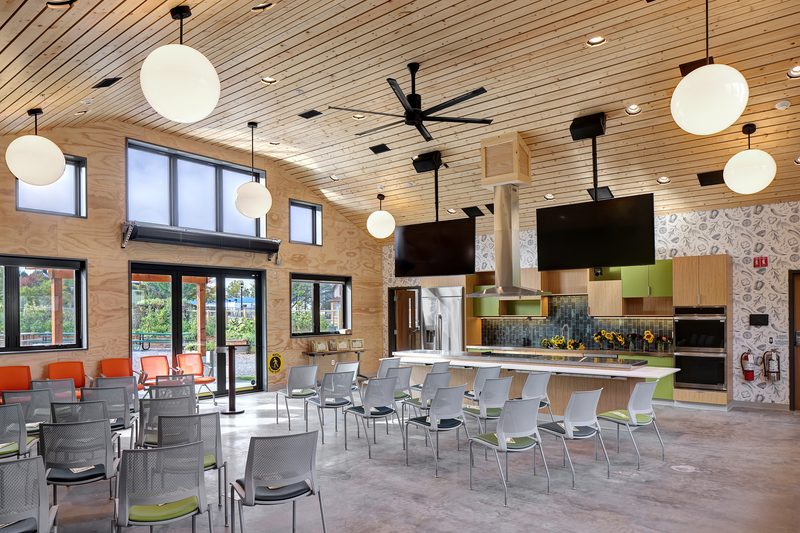
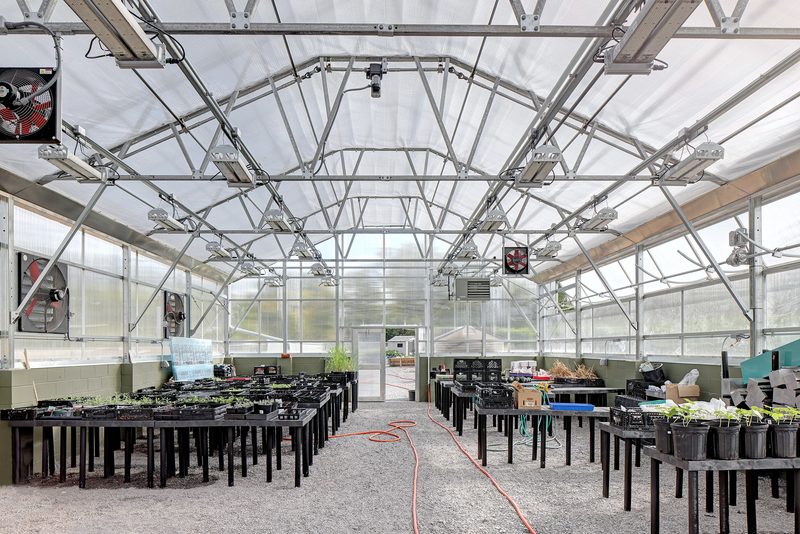
The region’s largest urban agriculture hub includes raised growing beds, a 2.5K SF greenhouse, composting, beekeeping, accessible planting areas, and a 1.5K SF Edible Education Center for classes and community programming. Demand was immediate: programming began before the project was fully complete, and today, the farm hosts camps, volunteer groups, and other events throughout the week.
The greenhouse extends cultivation through Rochester’s long winters, giving seedlings an earlier start.
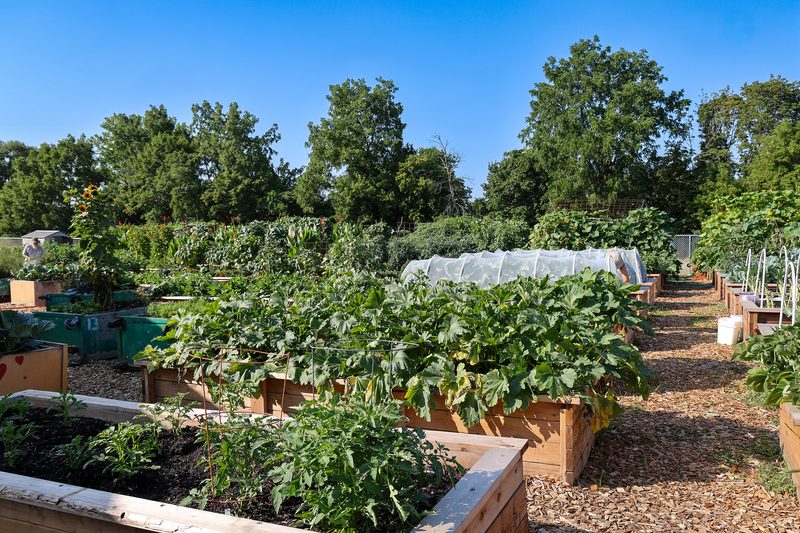
Taken together, these enhancements help Foodlink yield 11K pounds of produce, serving 120 families per year, while a portion of the vegetables and herbs grown on-site support Foodlink’s kitchen and meal programs for K-12 students and seniors.
Supporting the Mission Around the Mission
As the responsibility of an urban farm expands, the spaces around the growing areas matter just as much.
Volunteers need room to work and store equipment; inclusive paths make participation easier. Year-round use calls for bolstered utilities, secure storage, and facilities that can handle frequent activity.
These behind-the-scenes features may not be the first things people associate with urban agriculture, but they help determine whether a farm can accommodate additional programming and continue adapting as demand increases.
Durability is important, too. Mission-driven organizations have enough to manage without taking on a building that requires constant maintenance. Resilient material choices – like corrugated metal siding, or highly durable plywood finish – and flexible spaces help direct more resources toward programming rather than repairs.
Food Access Doesn’t End at the Farm Gate
Growing food is just one part of a much larger system. Fresh produce still needs to be sorted, stored, transported, prepared, and distributed, and refrigerated products require reliable cold storage. Meal programs also depend on kitchens, staff, and efficient logistics.
For Foodlink, that network operates at a remarkable scale. Last year, the organization distributed 28.8M pounds of food (supported 1.9M visits to local pantries); provided 2.4M meals through its Community Kitchen; and welcomed approximately 1.2K Rochester City School District third-graders for field trips.
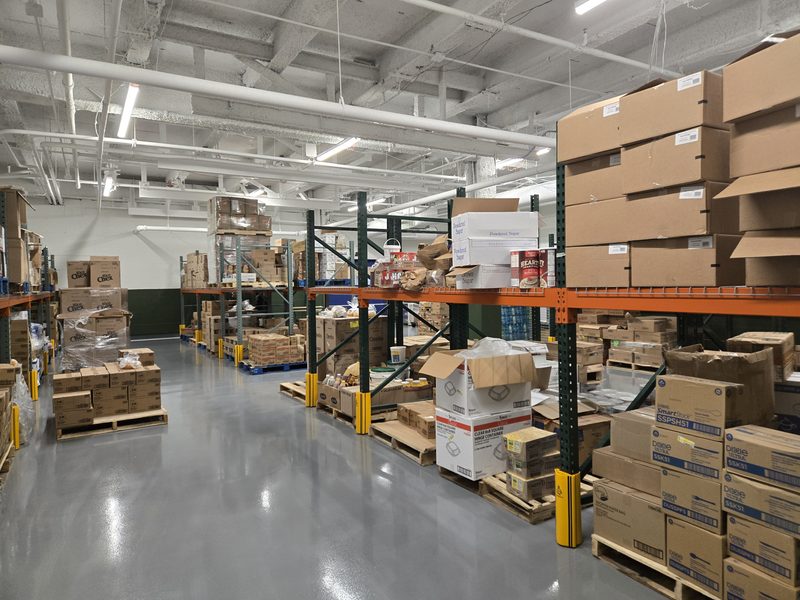
In this vein, the need for more refrigerated storage at Foodlink’s distribution center prompted an overhaul of the existing facility. A purpose-built cooler boosted cold-storage capacity by nearly 70%, and restored loading areas and streamlined workflows made it easier to move products through the building.
The commercial kitchen adds another layer, preparing food for Senior Meals, school lunches, after-school snacks, and summer meal distribution. Outfitted with steam ovens and blast chillers, it dually serves as a training environment for the Career Empowerment Initiative (CEI), allowing participants to hone their culinary skills as they learn about operations, inventory, and entrepreneurship.
Everything comes full circle through a no-waste approach to organics recovery. Food scraps from the kitchen can be processed into compost, returned to the farm, and used to grow food that reenters the broader network. Whether managing regional distribution, preparing meals, training future culinary professionals, or teaching children where food comes from, each “cog” supports the same overarching system.
Let the Community Define What “Good” Looks Like
There’s a difference between designing something for a neighborhood and designing something with the neighborhood.
End users better understand that which doesn’t show up on a drawing – how a place is perceived, what makes families comfortable, and which features will make it genuinely useful over time. Their feedback is especially vital when urban agriculture happens as part of larger neighborhood reinvestment. The objective shouldn’t be to introduce an amenity and assume it will generate interest, but to create something responsive to the people who already live there.
During early planning, our team held engagement sessions with neighborhood residents and families already familiar with the farm. Many brought direct experience growing food, including refugees and new Americans from cultures where home agriculture is embedded in everyday life.
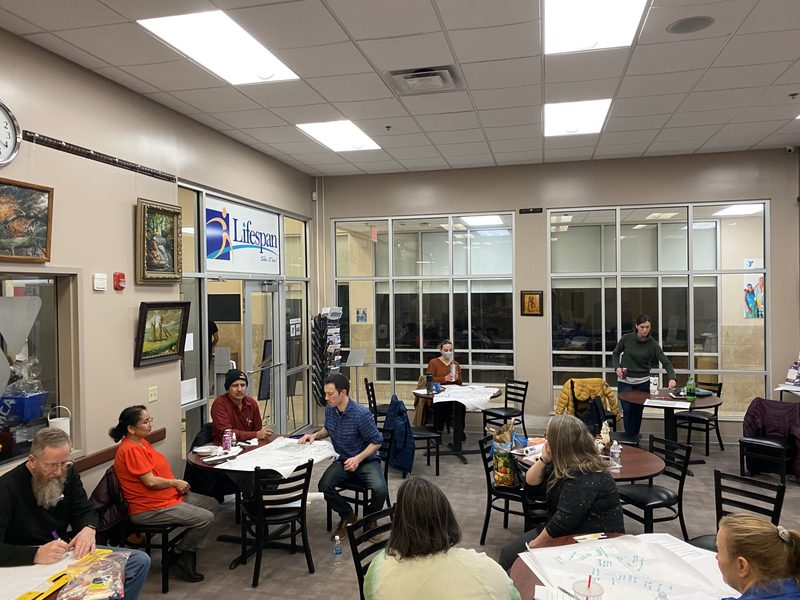
Their input shaped practical decisions. For example, one of the most comment requests was for extra security. Although openness and accessibility were central to the vision, participants wanted greater protection for the farm at night. Fencing emerged as a way to balance priorities, reflecting how much residents appreciate the site.
Measuring More Than What’s Grown
Pounds of produce and people served are key performance indicators, but they don’t tell the whole story. Leaders should also ask:
- Are students gaining knowledge and exposure to potential career paths?
- Are residents developing practical skills?
- Are partnerships forming among schools, nonprofits, municipalities, healthcare organizations, and neighborhood groups?
- Is the site augmenting stormwater management, composting, or other environmental goals?
- Is there a sense of ownership and belonging among residents and volunteers?
These outcomes may be harder to capture on an annual dashboard, but they reveal more about the long-term success of the investment. Done well, urban agriculture can address food insecurity while doing something equally meaningful: building community capacity. All farms can grow food, but their true value lies in the people, relationships, and opportunities that grow around them.